
How REST LLC Helped the LA Fire Department Contain an Ammonia Release
September 1, 2026 · 5 min read
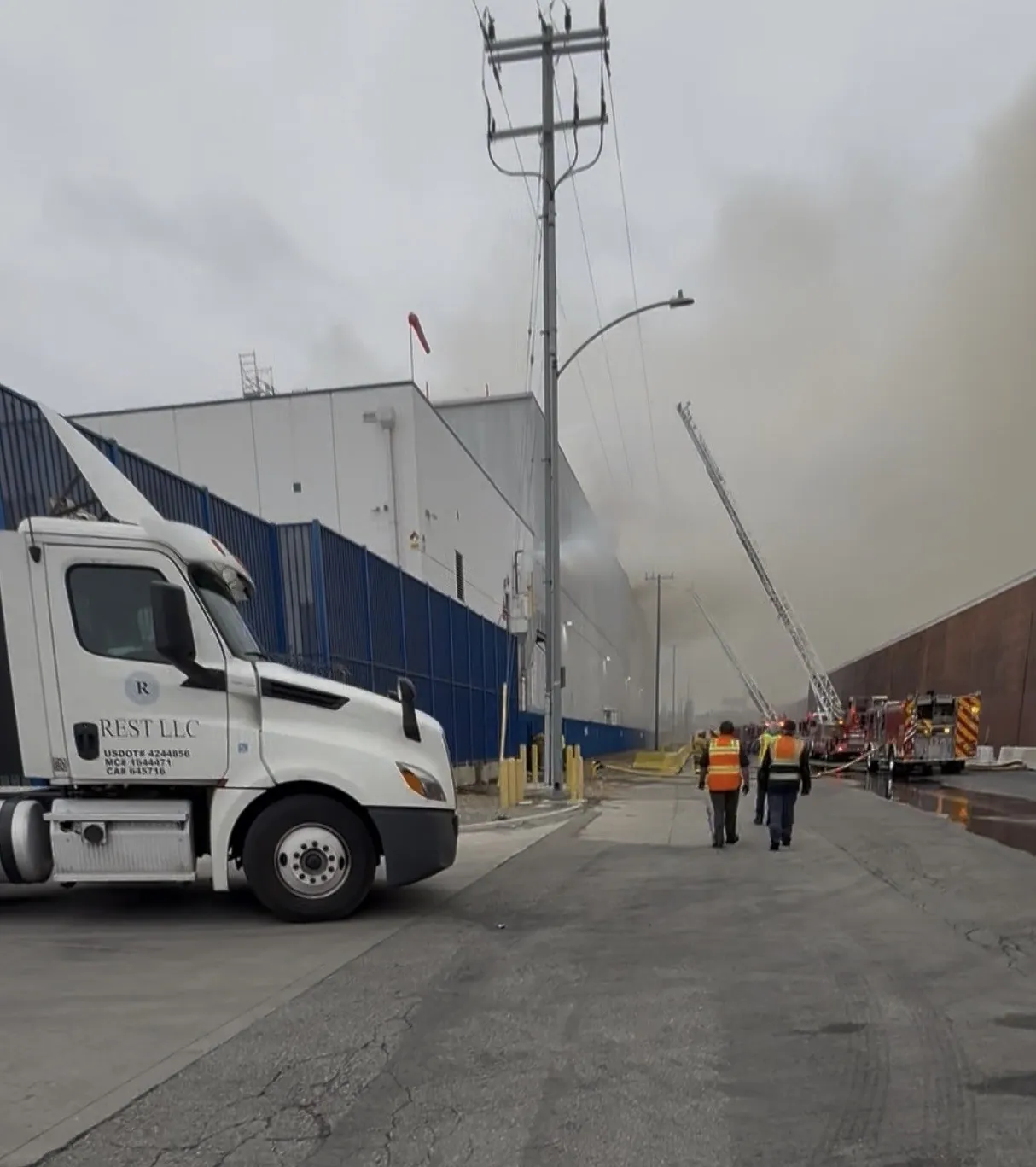
When an ammonia release filled a Los Angeles cold storage warehouse with vapor, LAFD called for a crew that could safely take the charge out of the system. Here is how the operation ran, from first arrival to final draw-down.
The call
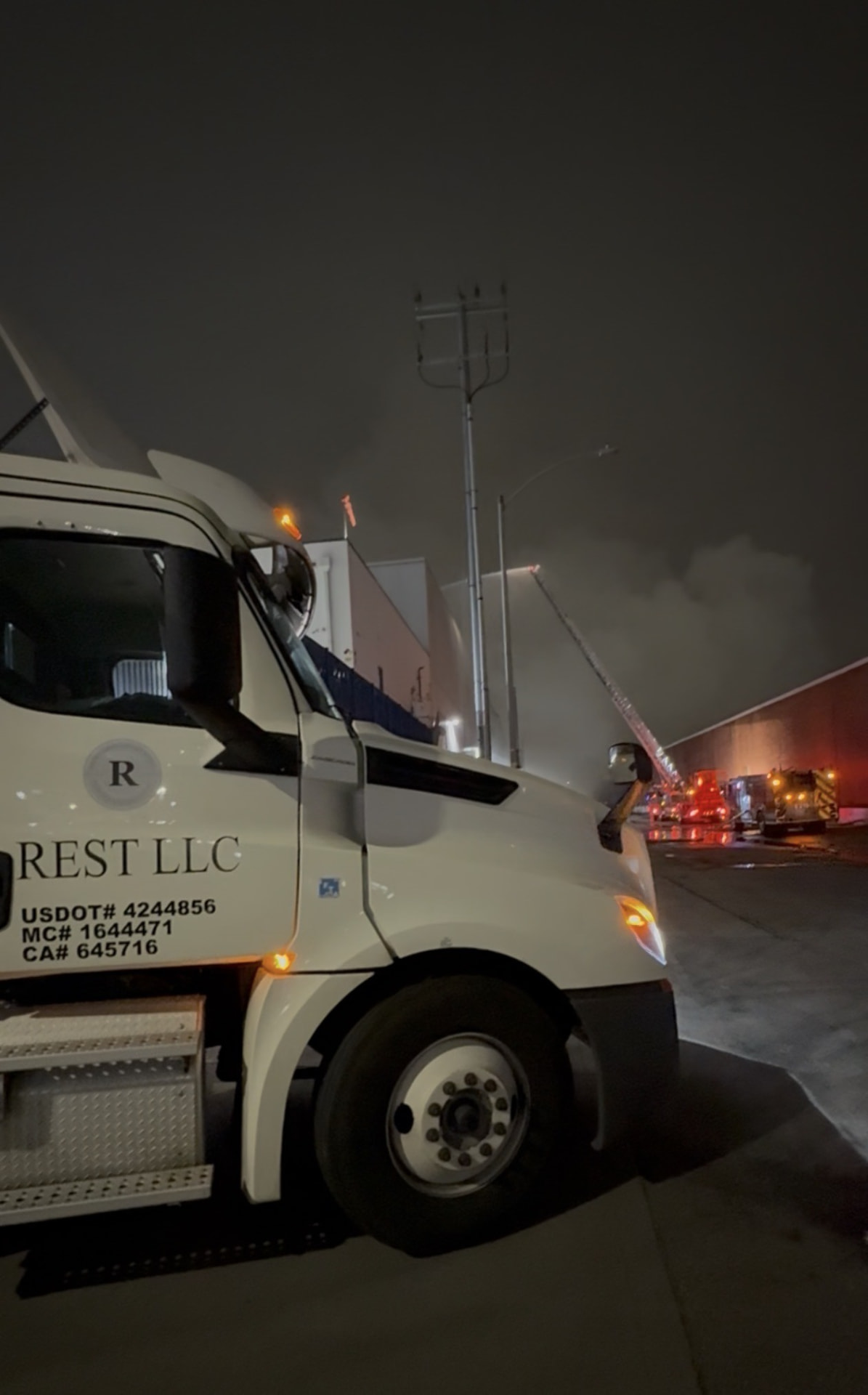
The call came in during the early morning hours: an anhydrous ammonia release inside a large refrigerated warehouse in Los Angeles. Los Angeles Fire Department engine and truck companies were already on scene with ladder pipes set up and water curtains knocking down the vapor cloud drifting across the loading dock.
Fire crews can control and suppress an ammonia plume, but they cannot empty a refrigeration system. Until the charge is out of the vessels and piping, the hazard stays live. That is where our team comes in — our tanker and pump-out trailer rolled out of the yard within minutes of the request.
Staging with incident command
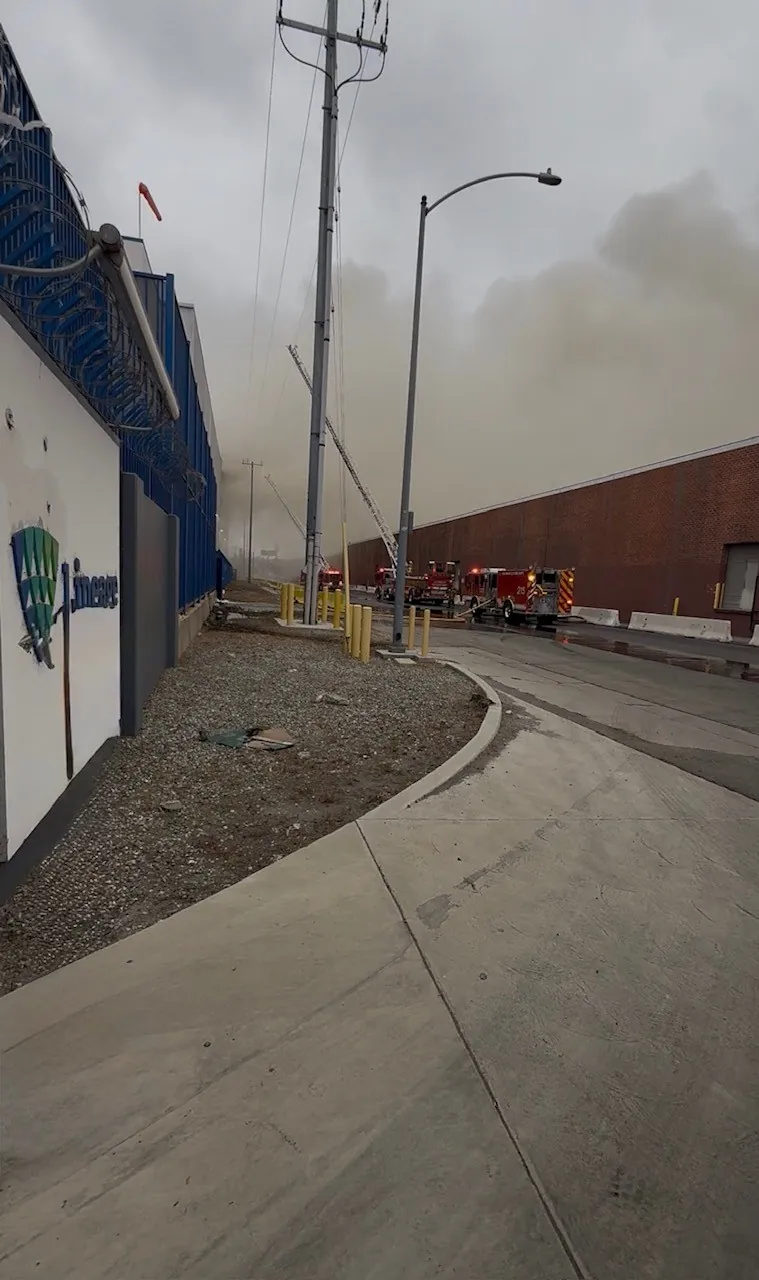
On arrival we checked in with incident command, walked the hot zone boundary with the hazmat group supervisor, and confirmed wind direction off the roof-mounted wind sock. Our truck staged upwind and outside the exclusion zone, with hose runs planned so no line crossed a fire apparatus access lane.
Coordination matters more than speed here. Every valve we touched was communicated to command first, so LAFD knew exactly what pressure changes to expect inside the building while their crews were still working the interior.
Setting up the pump out
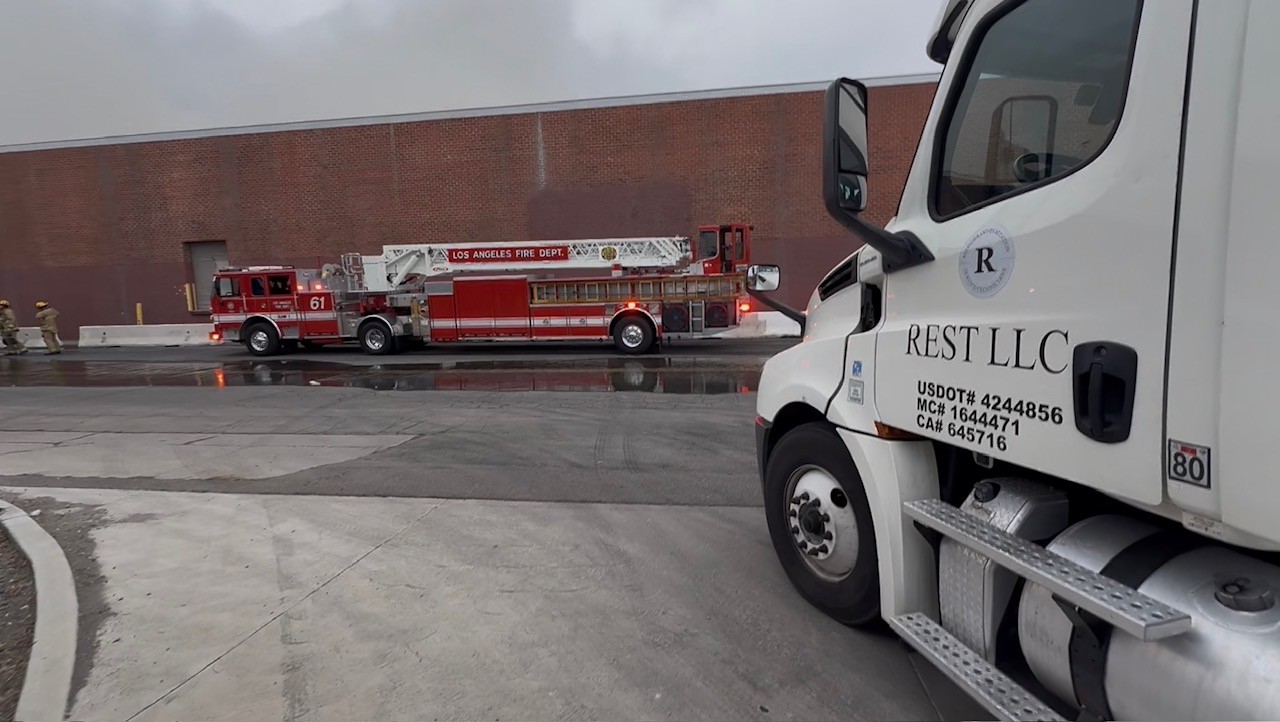
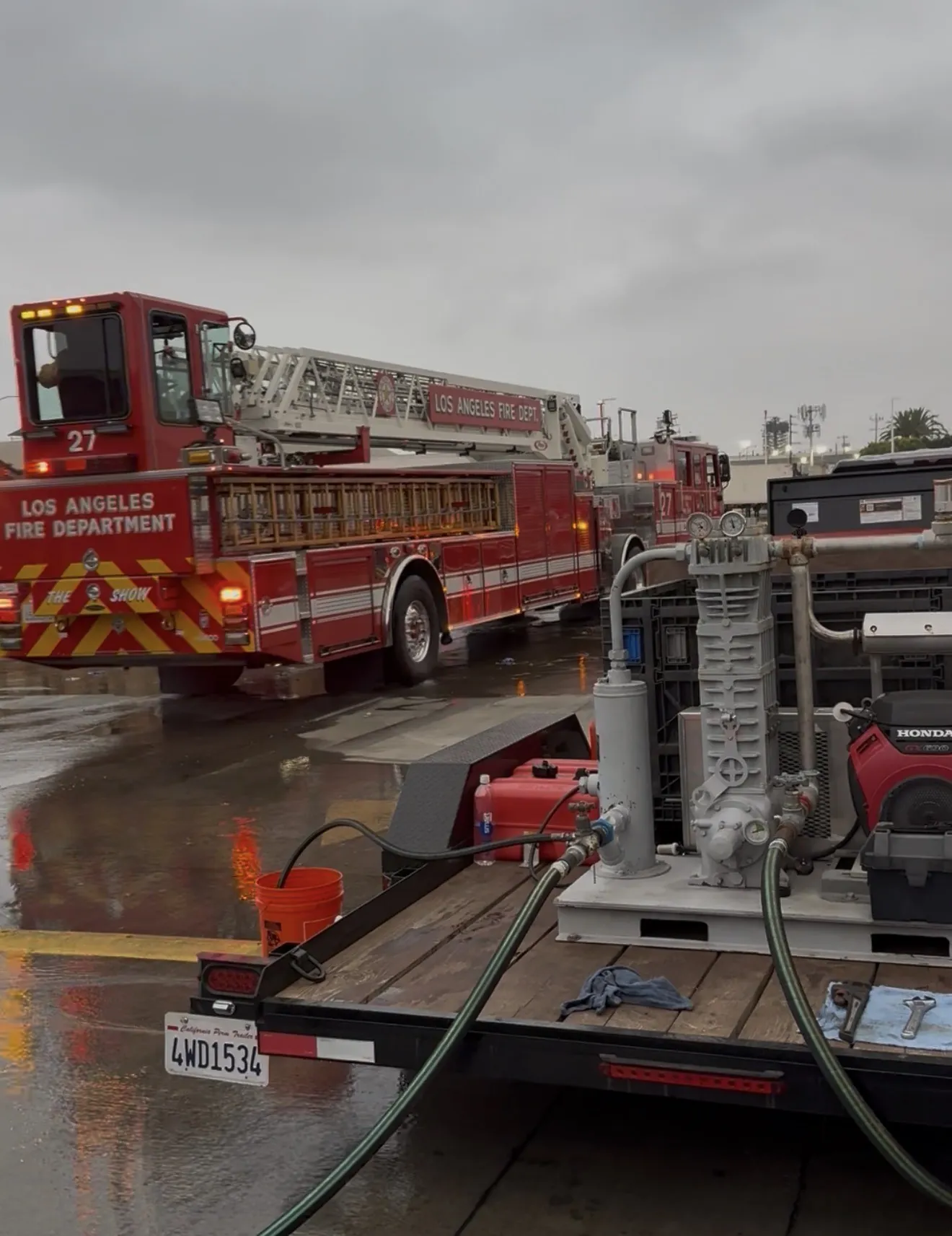
Our trailer-mounted ammonia compressor and transfer package was set up at the dock and tied into the system's service connections. Using the push/pull method, vapor was compressed back into the plant side while liquid ammonia flowed under differential pressure into our DOT-compliant tanker — a closed loop, with nothing released to atmosphere.
We monitored pressures continuously and throttled the transfer rate down whenever the vessel condition warranted it. Slow and controlled beats fast and uncertain on an active incident scene.
Working through the night
The operation ran past dark. Crews rotated, lighting went up, and our operators stayed on the transfer package until the system was drawn down and the remaining vapor was recovered to a safe residual pressure. Only then could LAFD begin releasing companies from the scene.
By the time the last tanker was buttoned up, the facility was no longer an active ammonia hazard — it was a repair project.
What facilities should take from this
First responders are not equipped to empty an anhydrous ammonia system, and the clock on an ammonia incident does not stop until the charge is gone. Having a 24/7 ammonia removal contractor already in your emergency plan — with your system drawings, valve locations, and site contacts on file — shaves hours off the response.
REST LLC responds statewide across California, 24 hours a day, with certified operators, DOT-compliant tankers, and the transfer equipment to work directly alongside fire and hazmat teams.